
Prevention
Being proactive is the best way to avoid dental problems altogether — here's what really makes a difference.
Read morePreventative dentistry is all about stopping problems before they start. The essentials are simple: attend regular check-ups as recommended by your dentist, brush effectively twice a day with a fluoride toothpaste, floss at least once daily, and maintain a healthy, well-balanced diet. Together, these habits do more to protect your smile than any single treatment.
Tooth Decay
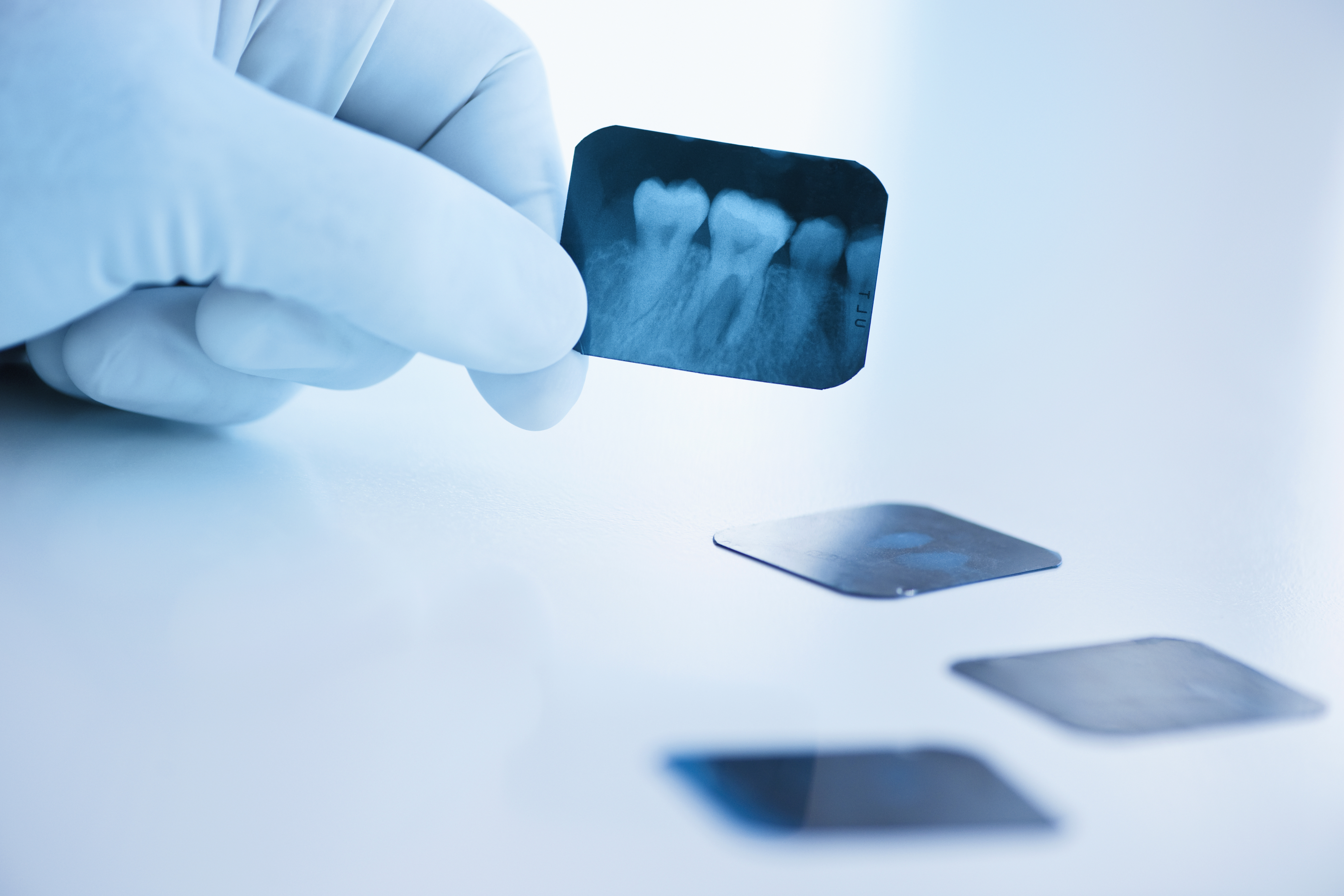
Decay damages the structure of the tooth and can lead to fillings or extraction if left untreated.
Read moreTooth decay occurs when sugar reacts with bacteria in plaque, producing acid that erodes the enamel and dentine. Every time you eat, your teeth face up to an hour of acid attack, so sticking to three meals a day and cutting back on snacking helps reduce the risk. Chewing sugar-free gum after meals boosts saliva production, which neutralises acid, and choosing lower-sugar foods and drinks between meals makes a real difference too.

Manual vs Electric
Both brush types can clean effectively — but one may suit your routine better than the other.
Read moreYou can brush effectively with either a manual or electric toothbrush, though electric brushes often offer added benefits such as multiple modes, varied bristle movements and built-in pressure sensors. Whichever you choose, replace the brush (or head) every three to four months, or sooner if the bristles start to splay. Ask your dentist at The Smile Suite which option might work best for you.

Oral Cancer
Early detection matters — regular dental visits give you the best chance of catching it early.
Read moreOral cancer can affect the mouth, tongue and lips, and is often picked up early during a routine dental check-up. An early diagnosis significantly improves the chances of a full recovery. It's also worth examining your own mouth regularly — watch for painful ulcers, red or white patches, lumps in the mouth, jaw or neck, or persistent hoarseness that doesn't clear up within three weeks, and contact us or your doctor promptly if you notice anything unusual.

Gum Disease
A very common condition caused by plaque build-up — and one that's largely preventable.
Read moreGum disease causes gums to become swollen, sore or infected, usually as a result of plaque and calculus build-up harbouring harmful bacteria. Looking after your gums is just as important as looking after your teeth, since they — along with the bone — support the teeth themselves. Consistent hygiene appointments, cleans and a good home routine can prevent gum disease altogether, and our trained clinicians are on hand to get your gums back to full health.
Tooth Wear
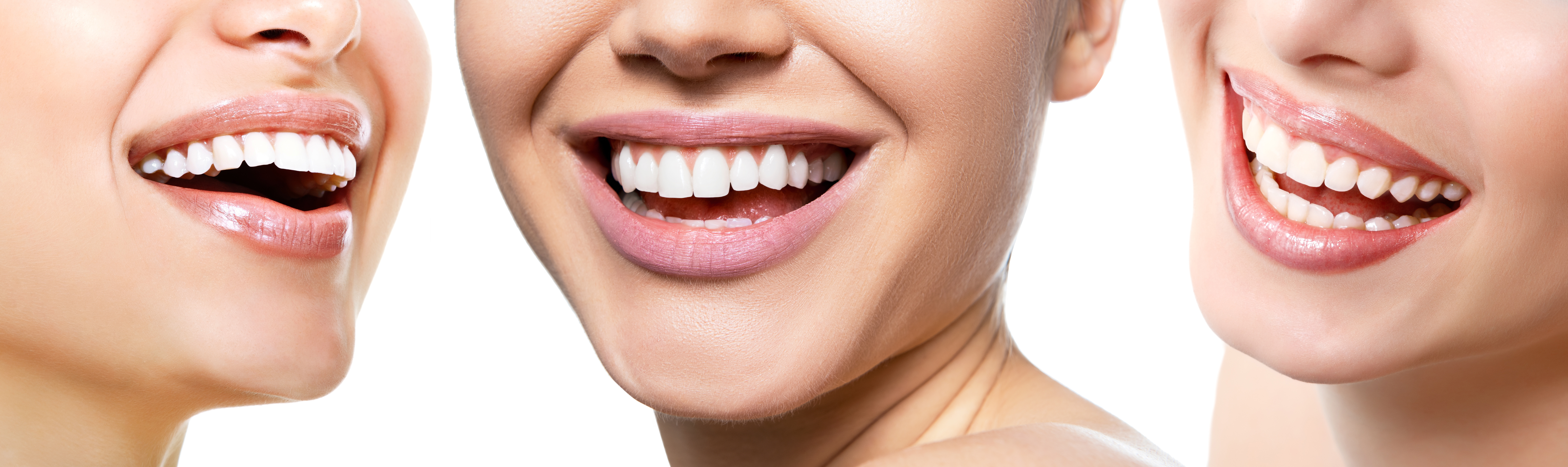
Erosion and grinding can wear teeth down over time — but there's plenty we can do to help.
Read moreLoss of tooth surface can happen through erosion — enamel loss caused by acid attack, often linked to acidic foods and drinks or conditions such as acid reflux. This can expose the more sensitive dentine underneath, leading to pain, sensitivity and a darker, softer appearance. We can advise on diet, brushing technique and fluoride products, and offer treatments such as composite bonding or veneers. Wear can also be caused by bruxism (teeth grinding), for which we can provide a custom-made mouthguard to protect your teeth.

Emergency Appointments
Severe toothache, a broken tooth or a lost denture? We offer prompt emergency appointments.
Read moreOur emergency appointment fee is £38, plus the cost of any treatment required. During your visit we'll carry out an assessment, take any necessary x-rays and talk you through your options. Common emergencies include general toothache, a broken or chipped tooth, a dental abscess, root canal pain, swollen or painful gums, pain when biting, sensitivity to hot and cold, painful wisdom teeth and trauma to the teeth. Call us on 0115 697 5777 or book an emergency appointment as soon as you can.

Health & Body
Your oral health can be closely linked to your overall wellbeing — here's why it matters.
Read morePoor plaque control and gum disease have been associated with wider health issues, including heart problems, stroke, poorly controlled diabetes and complications during pregnancy. Your mouth can also show early signs of what may be happening elsewhere in your body — certain symptoms can point towards diabetes, anaemia or vitamin deficiencies, while saliva testing can detect markers linked to conditions such as rheumatoid arthritis. Always let us know about any changes to your general health or medication, as these can affect your treatment.

Mother & Baby
Dental care during pregnancy is safe and important — for you and for your baby's future smile.
Read moreDental treatment during pregnancy isn't just safe, it's essential. Hormonal changes can affect your oral health and lead to sore or bleeding gums, so visiting us during the family-planning stage lets us record a baseline and catch any changes early. Caring for your baby's teeth from the start is important too, helping set them up for a healthy mouth in future. If you have any concerns at any stage, please call us or make an enquiry.
Our Environment
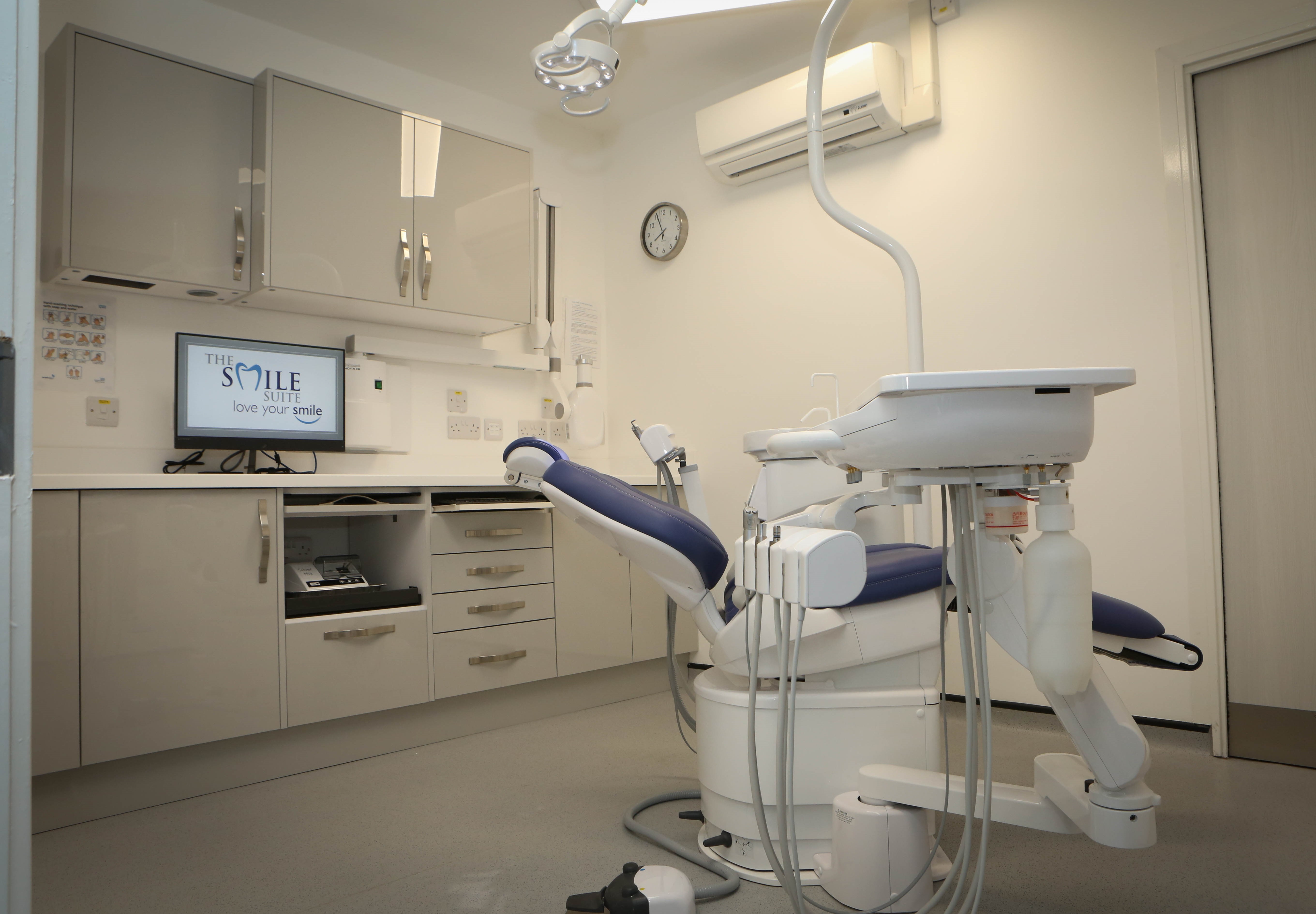
We're committed to Green Dentistry, reducing our environmental impact wherever we can.
Read moreWe practise Green Dentistry at The Smile Suite, reducing our carbon footprint through measures such as light sensors, paperless dental records and LED lighting in our dental chairs. We also use mercury separation filters to limit mercury reaching water systems, and digital x-rays to improve efficiency, cut radiation exposure and reduce toxic waste. Call us on 0115 697 5777 or get in touch to find out more.

Dental Trauma
Accidents happen — knowing what to do in the first few minutes can make a real difference.
Read moreBroken teeth: clean the area carefully to reduce infection
risk, protect any exposed area with sterile gauze, and if you can find the
broken piece, place it in water and bring it with you.
Loosened teeth: apply an ice pack to the area and, if
possible, gently reposition the tooth back into the socket.
Knocked-out tooth: hold it by the crown (not the root), rinse
off any debris with water without touching the root, and try to reinsert it
root-first into the socket — never attempt this with a baby tooth. If you
can't reinsert it, keep it moist in milk. Then call us immediately on
0115 697 5777.
Tooth Sensitivity
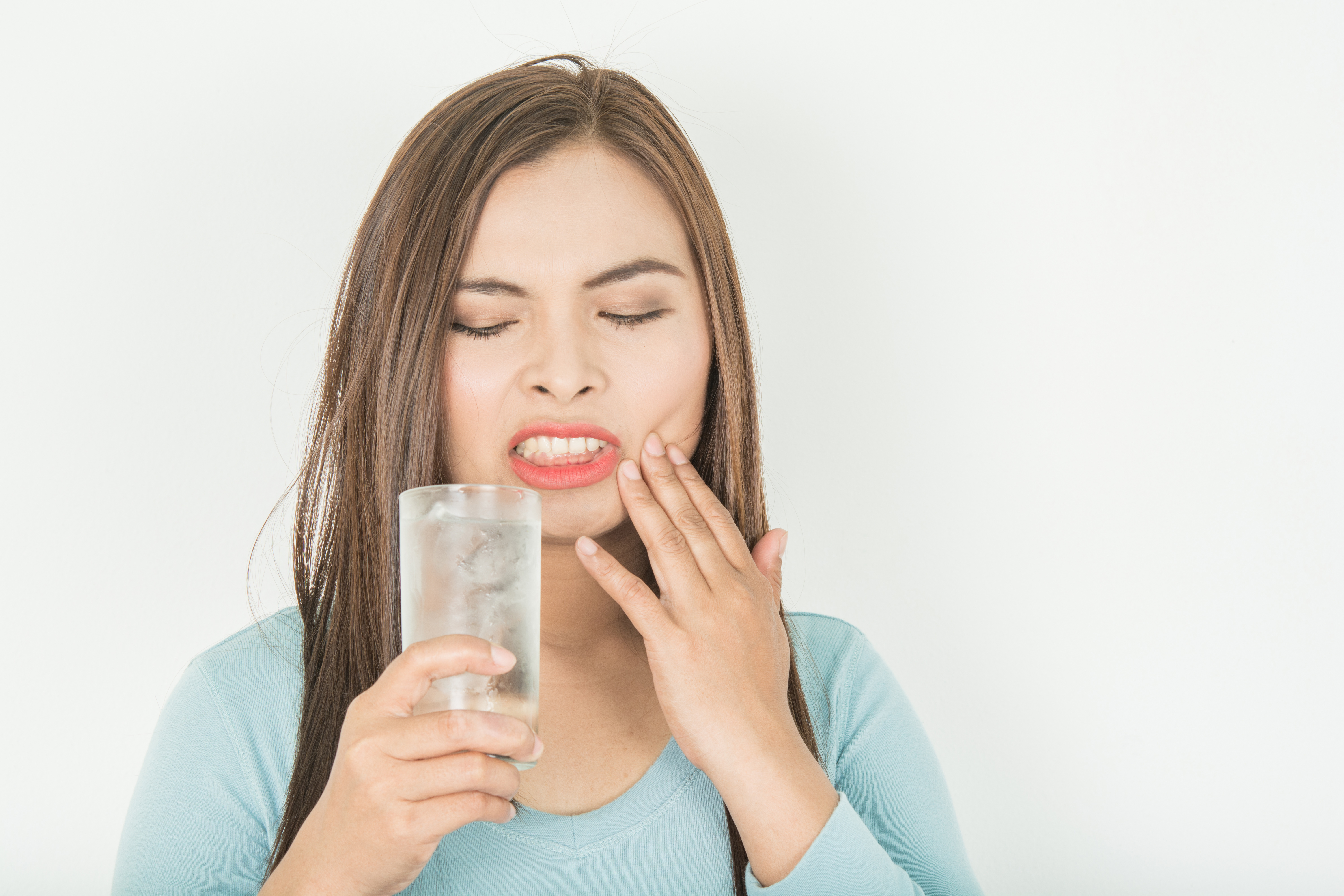
A sharp twinge with hot, cold or sweet foods? You're not alone — and it can be managed.
Read moreA short, sharp pain when eating or drinking something hot, cold, sweet or acidic — or even breathing in cold air — may point to dentine hypersensitivity. It's thought to affect around half the population and can come and go over time, often triggered by grinding, aggressive brushing or frequent consumption of sensitivity-causing foods and drinks. Soft-bristled brushes, de-sensitising products and treatments such as resin-based materials or gum grafts can all help manage symptoms. Contact us if sensitivity is bothering you.